
What a BMS Actually Does (and Why Your Trolling Battery Needs One)
Curious what the BMS does inside your LiFePO4? We explain its 5 protection jobs in plain English — and why a 100A BMS matters when your trolling motor pulls 40–50...

Curious what the BMS does inside your LiFePO4? We explain its 5 protection jobs in plain English — and why a 100A BMS matters when your trolling motor pulls 40–50...
There's a small computer inside your LiFePO4 you never see — and it's the reason the battery outlives the boat's patience. It's the BMS. Here's what it actually does, in plain English, and why it matters every time you hit the water.
BMS = Battery Management System. It's the circuit board wired to the cells that monitors voltage, current, and temperature dozens of times per second, then steps in to protect the pack. No BMS, no safe lithium — every reputable LiFePO4 has one.
What it does: cuts the charge once cells hit full, so they never get pushed past safe voltage.
Why you care: a lithium cell forced past full can swell or worse. The BMS means you can leave the charger on a LiFePO4 profile without babysitting it.
What it does: disconnects the load before the cells drop to a damaging low.
Why you care: this is the one that protects your wallet. Run a lead-acid flat and it sulfates; a LiFePO4 with a BMS simply shuts down at a safe floor and wakes up fine next trip. You don't "brick" a $200 battery by staying out one cast too long.
What it does: trips the pack offline if current spikes — a prop jammed in weeds, a chafed wire touching ground, a dropped wrench across the terminals.
Why you care: on a 50A trolling circuit, a hard short is a fire in seconds. The BMS is the cell's own breaker. (It backs up — not replaces — the fuse in your wiring.)
What it does: watches cell temperature and limits or cuts charge/discharge outside the safe window.
Why you care: it's why a LiFePO4 won't take a charge below freezing — the BMS refuses it, protecting the cell from internal lithium plating. Hot summer afternoon, heavy current? It throttles before damage. (The cold-charge rule is in our winterizing guide.)
What it does: nudges the individual cells to the same voltage over time, usually during the top of a charge.
Why you care: cells drift apart slightly with use. Balanced cells mean the pack delivers its full rated capacity and lasts those 2,000–6,000+ cycles instead of aging early. It's the quiet reason lithium "just keeps working."
Two different jobs, both needed. The BMS protects the cells; a fuse or breaker on your wiring stops a shorted cable from cooking before the BMS even reacts. We covered this in the electrical safety guide and the myth post — short version: fuse within 7 inches of the positive post, every time.
The BMS has a current limit, and it should match your motor's draw. A 12V bow mount pulling 40–50A needs a BMS rated well above that so it never false-trips mid-fight. Our 12V 100Ah Pro carries a 100A BMS — headroom for high-draw motors and 24V/36V banks built from multiple packs. The BMS rating is part of the spec sheet, not a footnote.

100A BMS, 6000+ cycles, 10-year design life. Built for high-draw trolling and banks.
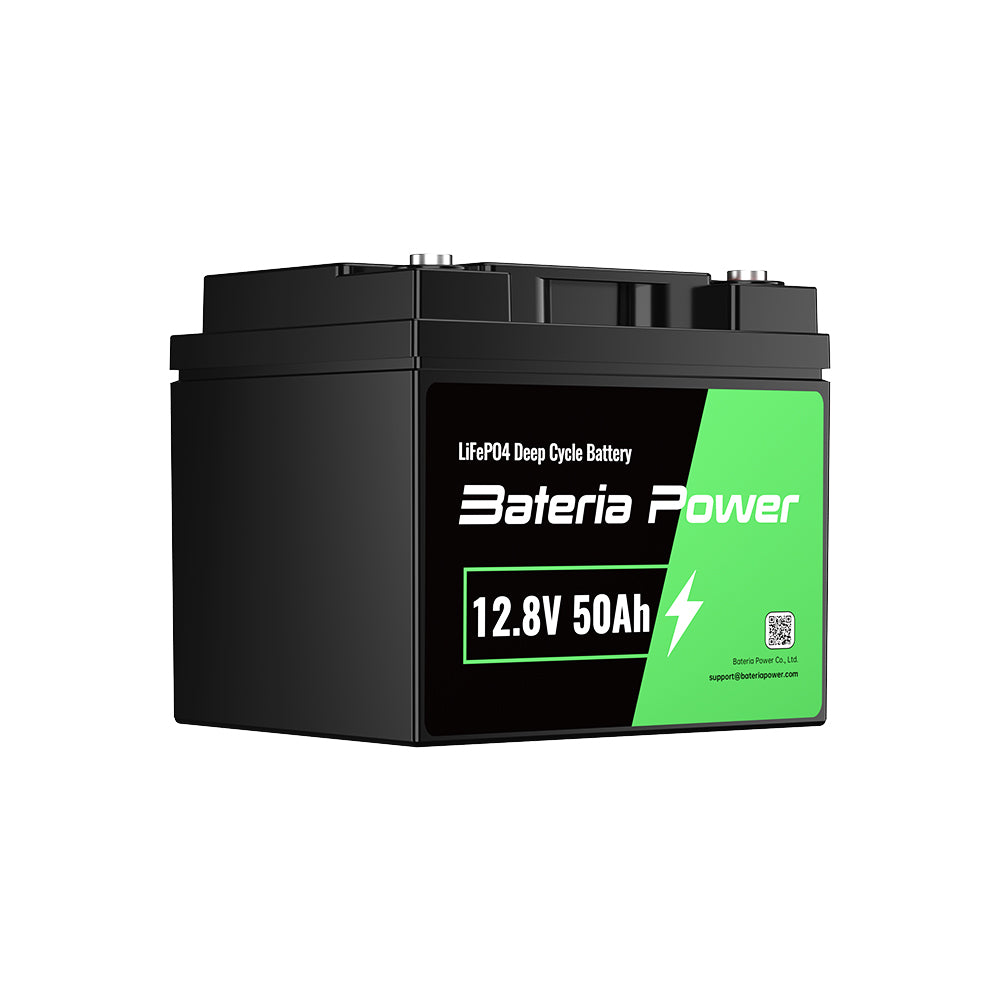
Built-in BMS, lightweight, ~95%+ usable capacity. The weekend-angler size.
Can the BMS fail?
Like any electronics, rarely — but a quality BMS from a reputable cell builder is far more reliable than the leads it protects. Buy named cells, not mystery packs.
Why did my battery "die" in the cold?
It didn't. The BMS locked out charging below freezing to protect the cells. Warm it up, and it's fine. That's protection, not failure.
Does balancing mean I should top up often?
No. Balancing happens during normal full charges. Just charge it fully now and then; you don't need to micro-manage it.
Note: Battery prices vary by variant and subscription — confirm the live price on each product page before ordering. Internal links marked "#" should be replaced with the real blog URLs once those posts are published.
Your cart is currently empty.
Start Shopping