
Trolling Motor 101: What It Is, What It Does, and How to Pick the Right One
Not sure what a trolling motor is for? We break down what it does, bow vs transom mounts, thrust and shaft sizing, and how to power it with the right...

Not sure what a trolling motor is for? We break down what it does, bow vs transom mounts, thrust and shaft sizing, and how to power it with the right...
A trolling motor is the quiet workhorse bolted to the front — or back — of a fishing boat. It won't win a speed race, and it's not meant to. Its job is the opposite of your main outboard: move slowly, stay silent, and hold your position exactly where the fish are. Here's what it is, what it actually does, and how to size the right one for your boat.
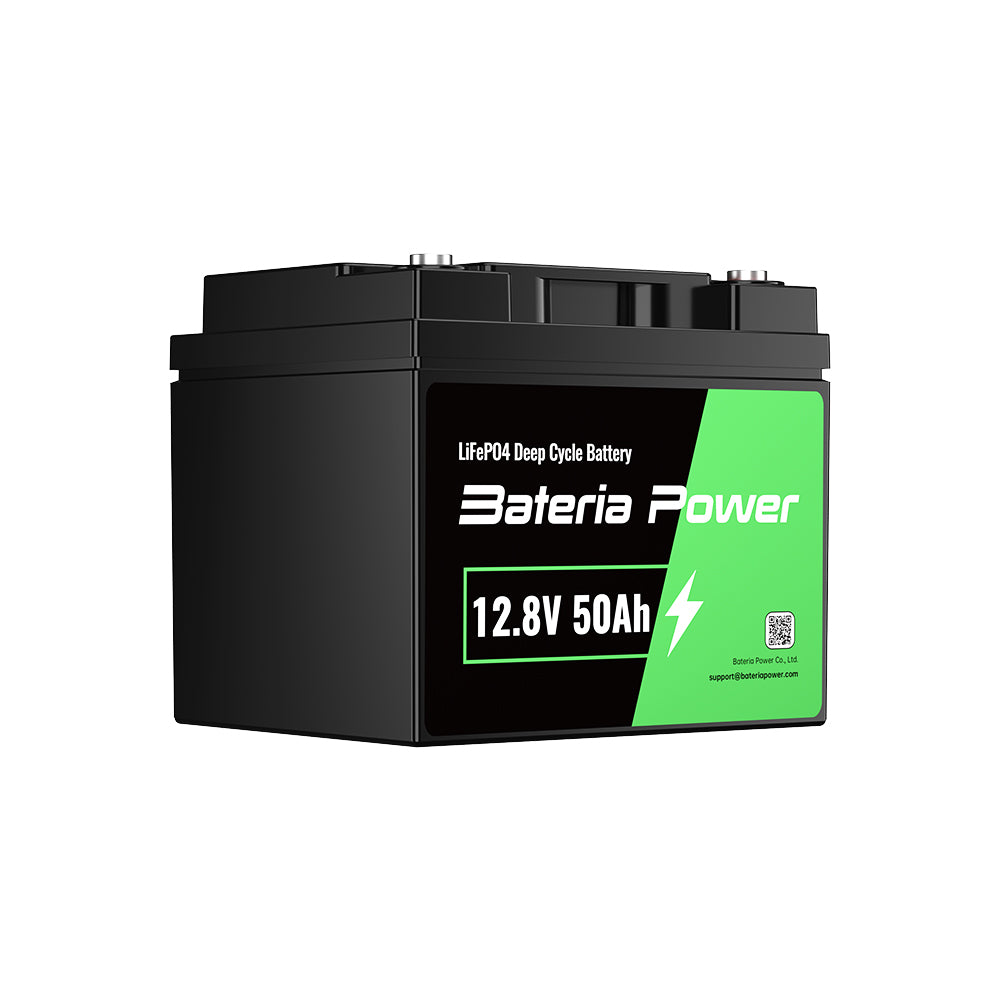
A deep-cycle LiFePO4 battery — the heart of any trolling motor setup. (Explore our 12V 50Ah LiFePO4)
A trolling motor is a small, low-speed electric propulsion unit mounted on a boat for precise maneuvering — not for getting you to the lake and back. The name comes from "trolling": slowly dragging a lure behind the boat. Anglers adopted a separate, whisper-quiet motor so they could work a spot without the roar and wash of the main engine spooking the fish. Today's units range from a simple tiller on a kayak to a GPS-guided bow motor that holds a fishing spot hands-free.
Its role is control, not speed. The jobs it does better than any big outboard:
These are the two mounting styles, and the choice shapes everything else:
| Factor | Bow-mount | Transom-mount |
|---|---|---|
| Position | Front of boat | Back (stern) |
| Steering | Foot pedal / wireless / remote | Hand tiller |
| Best for | Serious anglers, bigger boats | Jon boats, kayaks, small rigs |
| Control & felt | Superior, centered pivot | Good, pushes from stern |
| Cost | Higher | Lower |
If you fish saltwater, buy a saltwater-rated motor. It uses corrosion-resistant metals, sealed electronics, and a sacrificial anode that eats electrolysis so your motor doesn't. Running a freshwater unit in the ocean is the fastest way to wreck it. Freshwater-rated units are cheaper and fine for lakes and rivers.
It's simpler than it looks: a deep-cycle DC battery feeds a low-RPM electric motor, which turns a gearbox and prop in the water. You control speed and direction from a foot pedal, tiller, or wireless remote. No fuel, no oil, no exhaust — just clean electric thrust. (For the propeller side of the story, see our piece on how prop design defines your motor.)
Trolling motors are rated in pounds of thrust, not horsepower. The rule of thumb: you want at least 2 lbs of thrust per 100 lbs of boat weight (fully loaded — gear, fuel, batteries, passengers). A 1,500 lb bass boat wants ~30 lb minimum; a heavier 24V/36V rig climbs to 55–80+ lb. More thrust = better control in wind and current, not more speed.
Too short and the prop sucks air; too long and it drags. Measure from your mount point to the water, then add margin: bow-mount ≈ deck-to-water + 20"; transom-mount ≈ transom-to-water + 16–20". Tall-deck boats and rough water need more.
Thrust scales with voltage: 12V (one battery, up to ~55 lb) for small boats; 24V (two batteries, 55–80 lb) for mid rigs; 36V (three batteries, 80+ lb) for the biggest. Crucially, you need a deep-cycle battery — not a cranking battery. We break down the trade-offs in 12V, 24V, 36V: which system is right for you.
A trolling motor is only as good as the battery behind it. We build deep-cycle LiFePO4 batteries made for exactly this: a 12V 50Ah unit runs a small 12V setup, while 100Ah–200Ah banks feed 24V/36V rigs all day. Versus lead-acid, LiFePO4 is lighter, lasts 10+ years, and gives you far more usable capacity per pound. And for a clean, quick-disconnect rig, pair it with a proper 50A marine plug & receptacle — see our Elbow vs Straight guide to pick the right one.
On a kayak, canoe, or small jon boat — yes. On anything you need to cover distance or run in rough water — no, keep your outboard for the haul.
For boats under ~55 lb thrust and calm water, absolutely. Bigger boats and windy lakes want 24V or 36V.
LiFePO4 wins on weight, lifespan, and usable capacity — the standard choice for serious trolling setups.
It's a game-changer for hands-free holding, but not required — a foot pedal does the job for less.
BateriaPower Marine — deep-cycle power for trolling motors, off-grid, and beyond. Product links and specs subject to change; check the product pages for the latest.
Your cart is currently empty.
Start Shopping